Mostrando postagens com marcador 2007. Mostrar todas as postagens

segunda-feira, 18 de maio de 2009

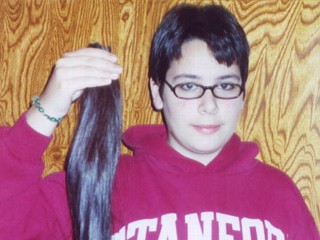
'I Want to Be Seen as Male'


'I Want to Be Seen as Male'

Transgender Teenager and His Parents Share Their Story With Barbara Walters

By ALAN B. GOLDBERG and JONEIL ADRIANO
April 26, 2007 —


On Sept. 19, 2004, 14-year-old Rebecca gave a startling letter to her mother, Betsy.

"This is one of those stream of consciousness things that I write in the wee hours of the morning when I'm tired and unable to sleep. I was probably crying when I wrote it, but don't think that the tears blurring my eyes were blurring my judgment as well," Rebecca wrote.

"What am I? I ask myself this all the time. Right now what I believe myself to be is an FTM, or a female-to-male transsexual. A boy in a girl's body. What I want is for you to understand, and let me transition into the boy I really am."

The startling admission left Betsy shocked and bewildered.

"It was an out of body experience," she said. (The family's last name is not being used to protect their privacy.)

For Rebecca, the letter was the culmination of years of anguish over feelings that she had been born into the wrong body. She signed it, "Love, your son," -- a reflection of her deeply held conviction that she was a boy. (Click here to read the full letter).

"I can't quite explain it. It was just a feeling of being not quite in my body," Rebecca said. "When I was in kindergarten, I would tell people that when I grew up I wanted to be a boy. I didn't want to be astronaut, or a teacher. I wanted to be a boy."


'It Didn't Really Feel Like My Body'
Rebecca's parents, however, saw no signs that something was amiss with their youngest child. Raising their family in Los Angeles, the couple worked hard to make their two daughters, Rebecca and Anna, feel that they could do everything that boys could do.

So when Rebecca wanted to play with trucks with other boys, Betsy and her husband weren't troubled.

"I think I must honestly say that I was pretty oblivious to that," said Rebecca's father, Peter.

But it was excruciatingly clear to Rebecca -- even more so when she hit puberty. She felt awkward and uncomfortable when her breasts began to grow. Menstruation, which for most girls is a celebrated right of womanhood, served only to further alienate Rebecca from her own body.

"It didn't really feel like my body, or like this was my life-changing moment. It just seemed like this weird thing that was happening."

Confused, Rebecca went looking for answers, and in the seventh grade, she found them on the Internet. She finally had a word to describe what she was: transgender. She even found other children who struggled with the same feelings she did.


Sharing the Secret
Rebecca had found clarity, but she kept the knowledge of what she was hidden for two more years. Finally, when she was 14 years old, Rebecca told her secret to her sister, Anna, via e-mail.

"I wrote back the same day saying, 'You know, I don't get it yet, but I love you with all my heart. You are my favorite person in the world, and absolutely, whatever you need,'" Anna said.

Anna and Rebecca had always been close. With her sister's support, Rebecca wrote her coming-out letter and gave it to her mother. Despite her initial shock, Betsy kept her composure, and even had the wherewithal to ask whether Rebecca had a new name. She was prepared. Rebecca became Jeremy.

"I didn't see her crying the day I came out," Jeremy said. "She held it in, which was kind of what I needed then. I needed to know that she still loved me. And that this wasn't going to bring her to tears."

Jeremy didn't come out to his father right away, fearful of how he would react. But Peter found out anyway just a few weeks later. While working on his computer, he discovered letters Rebecca wrote about wanting to be a boy.

"I think I just kind of withdrew into some silence because I realized that anger wasn't the correct response," Peter said. "I mean, this had to be accepted somehow."


Becoming Jeremy
Jeremy began to transition into a boy almost immediately after coming out to his parents. He got his hair cut short. He asked his parents to stop referring to him as a she. He bought all his clothes, down to the socks and underwear, from the boys' department. He also began to wear a binder, a Lycra vest that painfully flattened his breasts.

Finally, in the ninth grade, Jeremy came out to his school during an assembly in front of teachers and friends. Going to a progressive school, Jeremy was generally accepted by his classmates.

"The boys at my school did a sort of funny, almost initiation, in which they asked me about which girls that we knew in common I thought were really attractive. It was like they were trying to kind of feel me out," Jeremy said. "It was actually kind of amusing."

Although Jeremy's parents allowed him to use a male name and dress like a boy, in the back of their minds, Peter and Betsy still hoped that their daughter Rebecca would eventually return. They put Jeremy in therapy, hoping that their child was just going through an adolescent phase.

"I did go through a period of hoping that it would wash away. Disappear," Peter said.

"What I really wanted was for the therapist to help Jeremy work through any body issues that might be within the scope of, you know, what normal adolescent girls go through," Betsy said.


'I Want to Be Seen as Male'
As the months wore on, however, it became clear that Jeremy was experiencing something far more serious. He wanted to go beyond merely altering his outward appearance, he wanted to physically change his body as well.

Jeremy insisted on taking the male hormone testosterone, but his parents thought he was too young. They weren't ready to let go of Rebecca completely.

"That was probably the darkest of all of the times that we went through. The many, many talks that we had. And he said to me, 'Mom, you still don't see me as male.' He had been binding, and dressing as a boy, and had a boy's haircut for a full year," Betsy said. "I admitted it. It was true."

"That was hard to hear," Jeremy said. "I knew that they saw me as a transgendered child, but not as a male child. And, the thing is, that I don't really want to be seen as trans. I want to be seen as male."

Without the testosterone, Jeremy felt trapped in a life between genders. He became anxious that his body would never be whole.


'Definitely Ready'
Betsy and Peter ultimately chose to let Jeremy fully transition. Last year, Peter took Jeremy, 16, to a doctor for his first shot of testosterone.

"Jeremy was a clear-cut case. He came in completely ready. He was definitely ready," said Jo Olson, Jeremy's doctor.

"When you start giving someone hormones of the opposite gender, they go through a puberty. That's exactly what they go through," said Olson, an adolescent medicine specialist at Children's Hospital Los Angeles. "We are trying to get male patterned hair -- so beard, mustache, a little bit more body hair. We are aiming for a deepening of the voice."

"I'm very grateful to have had that experience, to be just a teenaged boy. And now I'm sort of on the same level as the guys I know who are biologically male," Jeremy said. "I'm not stunted anymore."

Today, Jeremy is a typical high school senior. His name was legally changed after his 16th birthday. He gets good grades at school, is accepted by his peers, passes as a boy and looks forward to college enrolled as a male. And like many young men his age, he worries about dating -- other men.

"I could have been a straight woman. But then I would have been someone's girlfriend. And that's … that's not right. What I want to be is someone's boyfriend. That's what feels right," Jeremy said.


Gender and Sexuality
It's not unusual for transgender people to identify as gay. That's because your gender doesn't really determine your romantic attractions, according to Olson.

"There is a big difference between sexuality, or who you're sexually attracted to, and what gender you identify with," she said.

Although surgery is expensive and not covered by insurance, Jeremy hopes to undergo procedures to remove his breasts before he goes to college. Surgery below the waist -- to create an artificial penis -- is not an option, he says, because the results are often disappointing.

"The surgery for male-to-female transsexuals is a lot better and more realistic than the female-to-male [process]," he said. "It's depressing. Part of me wants to say that it's not fair that I have to stay this way, and that nothing can be done about it. I'm a big believer in the power of medicine to heal. I can't be helped, and that's frustrating."

Whatever decisions Jeremy makes about surgeries, Betsy and Peter say they will stand behind him. They've accepted that their daughter is now their son, even if a small part of them still wonders whether Rebecca might come back.

"There are times when I can still hold that over myself," Betsy said. "And that was the thing that I think kept me from fully accepting Jeremy. But I've learned so much from our child. You can't predict the future. And you can't control it."

Jeremy has no regrets. Asked what he saw when he looked at pictures of Rebecca, Jeremy said, "I just see someone whose eyes aren't really smiling."

"I'm so much happier than I was before I came out and transitioned. The feeling of wrongness is gone," he said. "I feel for the first time in my life as though I am in the right body. I feel like, the world sees me as I see myself."


Copyright © 2009 ABC News Internet Ventures

Fonte: ABC News

Making Change: The Cost of Being Transgender


Making Change: The Cost of Being Transgender

Cast Out of Their Homes and Unable to Find Work, Many Transgender Young People Turn to Prostitution to Buy Illegal Hormones

By RUSSELL GOLDMAN
May 10, 2007 —


Kenyatta can't talk long; she has a date.

"We call them dates," she said of the men with whom she has sex for money.

Anxiously, she brushes her long dark hair off her slight shoulders and out of her smoky eyes.

Once you know that Kenyatta, 22, was born a male, her large hands and Adam's apple seem obvious. But at first -- and even second -- glance, there is little to suggest that she wasn't a girl her entire life.

She prostitutes herself "about twice a month" in order to buy the black market hormones that enlarge her breasts, raise the pitch of her voice and keep hair from growing on her face.

"Honestly," she said, "I have to pull a trick to pay for hormones."

Kenyatta is one of 25 young people spending the night at Sylvia's Place, an emergency homeless shelter for New York City's gay, lesbian, bisexual and transgender youth.

A third of the people here this Tuesday night, like most nights, are low-income transgender women who were born male. Kicked out of their homes and ostracized by their peers, they look to each other for solace and to the streets to make a living.

In an effort to make their bodies more feminine, some "trans women" take unregulated doses of hormones bought on the black market and pump industrial silicone -- the same stuff used in brake fluid -- into their breasts. Many have hurt themselves or attempted suicide.

Being transgender is costly. It costs people their families, homes, health, educations and jobs.

It also costs a lot of money.

To pay for their transitions, many of these young women have not only lived on the streets but worked there as well. They sell their bodies to afford the treatments and trappings necessary to make those bodies look to the world as they do in their heads.

Wealthier parents with a child who begins to present as transgender, sometimes as early as 5 years old, will seek information on the Internet, with a family physician, or through a community organization. But many low-income parents can't afford access to those resources.

Children from poorer families are more likely to be thrown out of their homes and end up on the streets.

Though the transgender community in the United States is small, roughly estimated at between 1 and 3 million people, it represents a broad diversity of people.

"Transgender can be anything from feeling internal body dysmorphia [an altered body image] to acting on it, as with cross-dressing, to actually changing your body through hormones, silicone injections and surgery," said Cris Beam, a journalist who spent seven years following a group of transgender youths on the streets of Los Angeles for her book "Transparent."

Those who want surgery and can afford it can spend $10,000 to $20,000 for a sex-change operation.

But for most transgender people, surgery is not an option. Their primary concern is simply making ends meet.

"The vast majority of [transgender] people are poor," said Chris Daley, director of the Transgender Law Center. "Being trans affects their economic health and means unemployment and underemployment. There is a real material cost in transitioning."

In San Francisco -- arguably the most transgender friendly city in the country and home to the minority's largest population -- 60 percent of transgender people make less than $15,300.

Experts and advocates say that people obviously in the middle of transition are often discriminated against when looking for work. Those with jobs often cannot get their health insurance to cover the cost of hormone therapy.

"They're often turned away from places like McDonald's if they're visibly trans -- the most basic workplaces and most basic jobs," said Ray Carannante, associate director of the Gender Identity Project at the Lesbian, Gay, Bisexual and Transgender Community Center in New York. "They're out there and they often have to rely on sex work. Very often, trans young people have to rely on sex work regardless of what other skills they have."

Britney Spears, who took her new name from the pop singer she loves, was born 22 years ago in Queens, N.Y. Then named Nick, she began wearing her younger sister's clothing when she was 5 years old -- at home and even at school.

When her mother died a few years ago, Britney went to live with a grandmother in Baltimore who later kicked her out.

Now unemployed and living at Sylvia's Place, she tried working at McDonald's and "even [has] the scars to prove it."

"I worked at McDonald's, but it was horrible," she said. "They made me dress as a boy. When I went to the interview, I was all dressed up and I looked beautiful, but the manager said, 'Don't do it around the other workers cause it makes them uncomfortable.'"


Black Market Hormones and Silicone Injections
Many transgender people use hormones to alter their sex characteristics. Estrogen adds breasts to men, stops facial hair from growing and raises the voice.

Costs for hormones vary from place to place and depend upon a person's needs. Medicaid will not pay for most hormone treatments because it considers the therapies optional.

Most transgender people cannot afford to see doctors and get the necessary tests. Instead, they buy hormones on the black market -- usually hormone replacement therapies for menopausal women smuggled into the United States from Mexico.

"The costs vary," said Carannante. "I might be able to get hormones on the street for $20, but someone else might pay $100 dollars for the same thing. The majority of trans youth of color are not getting hormones by prescription."

Janet, 25, hasn't uttered her birth name in almost a decade. She began her transition to become a woman at 14. At about the same time, she began robbing houses to afford black market hormones.

She has criss-crossed the country and bought illegal hormones in California, New York and Texas.

"Just go into any transsexual bar and someone there will be selling," she said.

The only time she ever received hormones by prescription and at regulated doses was at a county jail in San Francisco. After being raped in another prison, she contracted HIV.

On the black market, she said, 1 cc of estrogen costs around $15. A physician might charge more than five times that amount.

She has also spent $800 on laser hair removal and at one time considered pumping industrial silicone into her breasts.

Dr. Ward Carpenter, a physician at the Callen-Lorde Community Health Center who works with transgender patients, said there were numerous risks associated with both silicone injections and unregulated hormone use.

"Silicone is a huge health problem & One patient has had 20 surgeries to remove all the silicone injected into her hips 30 years ago. It solidifies, becomes very hard, and clumps into rocks," he said.

"Silicone has a tendency to migrate in the body," he added. "It can be injected in the hips and then you end up in the emergency room with silicone in the lungs."

There are also health risks associated with illegal hormones. Progesterone has been linked to breast cancer and estrogen can cause deadly blood clots in the "lungs, legs, heart and brain."


Class Matters
Low income "trans men" also face challenges in their transition from females to men.

Born Raquel Samantha Hall, 20-year-old Kels never felt comfortable in his body.

"My body never felt right to me," he said. "I always wanted to dress boyish and do boyish things. The body I'm in, I hate. I don't like my breasts or my voice.

"I want to chop off my breasts, but that will cost $8,000. I don't even have good enough credit to get $8,000. I don't even have good enough credit to get a credit card."

Affording their transition is not all low-income transgender people have to worry about.

Young transgender children in wealthier families often receive the benefit of their parents' education and access to information.

Children attending smaller schools in wealthier districts are more likely to have adults advocating for them than those in poor areas where funding is spread thin, said Daley.

Transgender people also must regularly contend with acts of violence. The young people interviewed by ABCNEWS.com all said they had been verbally harassed and some had been physically assaulted.

"For the last decade or two, about one trans person is murdered every month," said Mara Keisling, the executive director of the National Center for Transgender Equality. "We know that number is actually higher because a lot of trans people's murders go unreported either because the police are confused or are trying to help victim's family by masking the person's identity."

"It's very class related," she added. "When we look at who murder victims are, they're generally young low-income trans women of color and very often immigrants. If you're any of those things you are more susceptible to violence and disrespect. If you're all of those things, you probably feel like you have a bull's-eye on your back."


Copyright © 2009 ABC News Internet Ventures


Fonte: ABC News

sábado, 16 de maio de 2009

LGBT community fights to make bathrooms accessible for members of both genders, more welcoming to transgender students


For one and for all: LGBT community fights to make bathrooms accessible for members of both genders, more welcoming to transgender students

By: Dan Thalkar
Posted: 4/30/07

Bryce Renninger wanted people to talk, to reconsider traditional gender boundaries.

So in November he helped make two single-occupancy bathrooms in Watson Hall gender-inclusive.

"The big thing is this gets some awareness, and I don't think people had really thought about it," said Renninger, residence adviser for the Lesbian, Gay, Bisexual and Transgender Learning Community.

The bathrooms are the first all-gender bathrooms at Syracuse University, and Renninger tried to raise as much awareness for them as he could. He put flyers on every bathroom in Watson and had an open discussion about the idea before any changes were made.

In an unrelated effort, the LGBT Resource Center is working with the Office of Design, Planning and Construction to draw up a priority list of buildings to put in all-gender bathrooms. These bathrooms, more than to raise awareness, aim to cater to students who may not feel comfortable in a gender-specific bathroom.

"Gender-neutral restrooms provide transgender and gender nonconforming students with a safe space to do the most basic human acts," said Amit Taneja, assistant director of the LGBT Resource Center.

Gender nonconformers, Taneja said, include "butch" women and metro sexual men.

The atmosphere and environment at SU is open to accommodate transgender students, Taneja said. Several years ago, SU included gender identity and expression to its nondiscrimination policy, which Taneja said was a move toward acceptance.

"We're heading in the right direction in terms of policy," Taneja said. "How do we truly change practice to reflect that policy?"

One step, Taneja said, is the creation of all-gender bathrooms. He said it is relatively easy and inexpensive to convert existing single-occupant bathrooms and doesn't affect anyone else, because everyone can still use the bathrooms.

Lindy Wagner, resident director at Watson Hall, said she hasn't seen a change in people using the now all-gender bathrooms.

"Honestly," Wagner said, "both male and female used both anyways. If one was full, they went to the other … I haven't seen any difference in population use."

The largest roadblock was people misunderstanding what the bathrooms actually were, Wagner said. Several students came to her office and asked whether this meant men and women would be showering in and using co-ed bathrooms now. One student even approached Wagner with her mother on the phone, asking about what sort of debauchery was taking place.

Wagner explained that the bathrooms were single occupant, and she hopes both mother and daughter told that story, creating dialog elsewhere.

"That's the biggest bonus," Wagner said. "More than use - just talking about it."

Transgender rights are an issue of discussion nationwide and will probably become more so in the future, Wagner said.

"We have a lot of students in the country who are becoming transgender and partaking in daily life," Wagner said. "It's one of those issues institutions are going to have to deal with."

The University of Chicago, Oberlin College and University of New Hampshire are among several universities which have, in the past several years, converted male/female bathrooms to all-gender use. Other universities - like Ohio State University, American University and Washington State University - have committed to including all-gender, single-occupancy bathrooms in their new buildings.

One reason SU has yet to do so, according to Steve Schroeder, assistant director of design and construction, is New York state policy. Law requires separate facilities if there are more than 10 users, and there is a set ratio of toilet fixtures depending on the number of users. All-gender bathrooms are not included in that number, and so must exist in addition to the required amount.

"We're hampered by some of the code restraints," Schroeder said. "It's awkward, that 10 person rule."

Other than that, Schroeder said the cost of making existing single-occupant bathrooms all gender is minimal. Signs and proper waste disposal for both bathrooms are all that's required, he said.

One possible area for all-gender bathrooms is Huntington Beard Crouse Hall, because it already has single-occupant bathrooms, Schroeder said. Putting one in the Schine Student Center, however, would require major renovation, since it has no single-occupant bathrooms.

Taneja said the LGBT Center has no set timetable for when it wants SU to form numerous all-gender bathrooms but said he hopes to submit the list of preferred buildings to design and construction within six months.

Renninger said he hopes SU considers the issue and makes changes.

"If the university wants to take various gender identities seriously," he said, "there should be at least one residence hall with an all-gender bathroom choice."

Some students, however, are uncomfortable with the idea.

Watson Hall resident Victor Serabian said all-gender bathrooms don't bother him, but his roommate doesn't like the idea.

"I think he felt more comfortable if the bathroom wasn't mixed," Serabian said.

Serabian also doesn't think the information campaign was very effective. He didn't know the all-gender bathrooms were only single occupant, and said he didn't hear many people discuss the issue.

Regardless, the all-gender bathrooms are about more than just transgender students, Renninger said.

"It's not always about outer identities," Renninger said. "It's about how a person deals with their own gender."

--------------------------------------------------------------------------------
© Copyright 2009 The Daily Orange

Fonte: The Daily Orange

quarta-feira, 13 de maio de 2009

Homens de calcinha e homens que gostam de vê-los são mais comuns do que se imagina - sem que isso signifique abrir mão da masculinidade


Clique nas imagens para ampliar.


Exocet calcinha!


Homens de calcinha e homens que gostam de vê-los são mais comuns do que se imagina - sem que isso signifique abrir mão da masculinidade

Por João Marinho* 20/6/2008 - 17:45


Uma calcinha, pra chamar de minha;
Um baby-doll, pra sair ao sol;
Um sutiã, pra pôr amanhã;
Meia rendada, pra ficar ousada!
(Autor desconhecido)

Era tarde de um sábado ensolarado quando Felipe Júnior**, 29 anos, saiu de casa para um encontro sexual. Ele tinha um perfil ousado em um site de paquera e, dias antes, havia recebido uma mensagem do usuário Gustavo. Estava curioso - afinal, Gustavo se dizia hétero. Trocaram MSN e marcaram, mas não sem antes Gustavo fazer um "pedido exótico". Era a primeira vez que pediam aquilo a Felipe, mas ele atendeu. Por isso, a camiseta e o jeans escondiam um bumbum recém-depilado - e uma calcinha branca bem cavada, que ele havia "tomado emprestado" da irmã...

Calcinhas para todos

Achou estranho? Pois homem de calcinha é um fetiche bem mais freqüente do que pensamos. Ocorre entre pessoas de todas as orientações sexuais, e há vários "níveis" de elaboração: enquanto, para alguns, só a calcinha basta, outros "turbinam" o look com sutiãs, meias-calças, camisolas e até com saias, blusinhas ou maquiagem.

Felipe conta que, depois da experiência, outros rapazes pediram a mesma coisa. Gustavo se identificava como hétero, daqueles "liberais" - mas nosso aventureiro também usou lingerie para um bissexual, três gays e, depois, para outro hétero. Também houve evolução no vestuário. Depois da calcinha branca roubada, que ele já devolveu, permitiu-se usar baby-doll, sutiã e até desfilar de meia-calça num sex club.

Hoje, o moço mantém uma pequena coleção de quatro calcinhas, uma das quais comprou com a consultoria de um amigo. Três, ele adquiriu de uma amiga que vende lingerie. Aliás, uma amiga que já ornamentou o próprio namorado com uma de suas peças.

Destacar as orientações sexuais e os tipos de relacionamento é importante para tentar responder as primeiras perguntas que vêm à cabeça: seriam esses homens travestis, transexuais, crossdressers (CDs)? Querem "virar mulher"? E os que pedem para usar, seriam enrustidos, com problemas em admitir que curtem outro cara? A resposta para todas elas é "não necessariamente!"

Primeiras calcinhas

O sociólogo Nando Tavares, 38 anos, é adepto das calcinhas: "Tive um namorado com quem fiquei oito anos. Ele era bi. Uma vez, pediu para eu usar. Na época, eu fazia análise lacaniana e estava tratando da minha relação com o feminino. Estava num ponto que descobri que podia brincar com essas categorias".

Tavares usa as calcinhas tanto para os parceiros quanto para si: "Eu curto usar, tanto que, às vezes, visto para trabalhar. Uso mesmo sem previsão de encontro". Para o sociólogo, trata-se de "uma categoria que está um passo antes da crossdresser".

Se for assim, Riccardo Navalha, 35, logo dará o próximo passo. Navalha ainda não usou calcinha, mas se exibe com meias 7/8 na internet, via webcam: "Estou num estágio evolutivo. Futuramente, quero virar CD, mas vai ser aquela coisa esporádica de balada. Quero ter a sensação de seduzir um homem como se fosse mulher".

Felipe Júnior, porém, discorda da comparação com as CDs, pois a história dele é outra: "Eu, por mim mesmo, não curto usar calcinha. Para eu curtir, ela tem de estar num contexto - no caso, a submissão. É aí que vem o tesão, porque estou usando pro cara como uma forma de submissão, da mesma maneira que ser xingado, levar uns tapinhas na transa. Fora dali, não uso, nem tenho vontade. Do mesmo modo, se um cara me xingar em outro contexto, leva voadora", brinca.

Jogo de calcinhas
Essa questão da dominação-submissão foi uma das mais recorrentes nas entrevistas. O jornalista João Sampaio, 40, gay assumido, é um dos que curtem ver um homem de calcinha: "Acho excitante. Destrói o mito de que calcinha é coisa de mulher. Há um mix de excitação, tesão e submissão que me deixa louco".

Ué, mas calcinha não é coisa de mulher? "Não existe coisa de mulher, a não ser a vagina - e mesmo esta pode ser fabricada. Os homens não usam por gosto ou pressão social. A submissão não está em mudar a imagem, mas em fazer algo que está na contramão da cultura. É uma forma de revolução", diz o jornalista.

Para o psicólogo e professor de filosofia Renato Z. Hoffmann, 29, o jogo de dominação-submissão de fato pode estar presente: "Se considerarmos apenas uma leitura clínica de interpretação do inconsciente, poderia afirmar que sim. Na fantasia, é manifesta toda a submissão: é prazerosa e sofrível, é humilhante e compensatória, apropria-se de todo um tabu do proibido em relação à prática assumida e em relação ao papel da mulher".

Calcinhas & Cia
Dominação e submissão também aparecem na história de Paulo Silveira, 34, outro gay assumido, que tem um relacionamento aberto de longa duração. Silveira adora efeminados e o namorado até já se vestiu de "panterinha" para ele: "Gosto da produção completa: calcinha, meia, baby-doll, vestidinho... E tem de gemer, falar fininho, ganhar nome, fazer cara de mulher, boquinha, batom... Se o cara for lisinho ou depilado, melhor".

Quando perguntado se isso não seria desejar uma mulher, Silveira, que é preferencialmente ativo, respondeu que, de certa forma, se trata de um "fetiche-tabu, porque mexe naquele estigma de haver um ativo másculo, que tem o papel de macho; e um passivo biba, que é a mulherzinha", mas que existe a "fantasia da ambigüidade. Não que você esteja penetrando uma mulher. Você está penetrando um homem que pode ser feminino. É diferente. Tem também o lance da estética. Fica bonita uma calcinha num homem. Valoriza o bumbum".

Já o gestor de processos Antônio Trevisan, 38, gosta do contraste. Para ele, quanto mais másculo for o homem que usa a calcinha - e outras peças -, melhor: "Gosto de ver o parceiro, com pêlos, usando as peças. Se ele tiver um corpo feminino, não tem o mesmo sabor".

Adepto do BDSM e dominador, Trevisan também vê um sinal de submissão no uso da calcinha, embora com outros olhos: "Dá uma sensação de humilhação, porque não é o perfil do parceiro. Pra mim, humilhação é a sensação de que você está fazendo algo que não quer fazer, faz porque é submisso. A sensação é a de que a pessoa não queria usar. Usou pra mim. Gosto de sentir isso".

Calcinhas superpoderosas
No entanto, dominação e submissão podem se ajustar de outros modos. "A calcinha me dá mais poder. Estou usando algo que as mulheres pensam ser exclusivo delas, seduzindo, tendo o mesmo poder. Estou mostrando ao homem que ele não precisa de mulher, que sou melhor. Eu só finjo que sou submisso, porque sou eu quem está no comando", diz o sociólogo Nando Tavares, que, de calcinha, nunca saiu com "gay, gay mesmo".

Essa "dominação da lingerie" pode ir além. Riccardo Navalha, que quer virar CD, assume-se preferencialmente passivo, mas curte dominar - e é em busca de parceiros ativos e submissos que ele vara noites na web. Até mesmo a suposta identificação "o que usa calcinha faz passivo", que podemos inferir a princípio, não é tão "certa" assim.

Felipe Júnior conta que, em suas andanças online, já recebeu propostas para transar com outro homem de calcinha. O outro usando a calcinha e sendo ativo. "Uma vez, até uma travesti ficou interessada. Ela dizia que adorava ser ativa com um gay passivo que usasse as roupas dela, mas achei que era muito pra minha cabeça", sorri.

Para Renato Hoffmann, na psicologia, existe "precedente" para isso também. "A linha existencialista, por exemplo, procura transcender uma abordagem tradicional. Ela fala do ser, que se completa em três momentos: o ser-em-si; o ser-no-mundo, que faz a cognição empírica do ser com aquilo que o abarca; e o ser-com-o-outro, a manifestação daquilo que se são seus significantes e significados. Nessa abordagem, não penso que caberia uma leitura de submissão. A figura assumida se porta como submissa, mas, na verdade, não é".

Além disso, continua Hoffmann, "a questão da submissão vem de uma dívida gerada pela cultura judaico-cristã e grega, na qual a mulher tinha um papel inferior - mas a história apresenta uma outra perspectiva de leitura: a de que a mulher tem um poder próprio e de que a sensibilidade feminina é fator de inteligência emocional".

Como se vê, há um sem-número de motivos, desejos, fantasias, interpretações e relações - até mesmo os problemáticos e/ou patológicos, que decidimos não abordar - que cercam o ato de um homem vestir calcinha e o fato de um outro homem gostar de vê-lo assim. E você? Já tem uma razão para pôr a sua?

** todos os nomes são fictícios, para preservar identidades.

Crossdressers, quem são?
Em si mesma, a palavra crossdresser pode indicar qualquer pessoa que se vista com indumentária do sexo oposto. No entanto, ela geralmente não é usada nesse sentido amplo, e ainda há muita discussão sobre quem representa.

O termo teria sido cunhado nos anos 70 por homens que às vezes se vestiam de mulher, mas negavam qualquer intenção fetichista, professavam uma identidade masculina, diferenciavam-se de travestis, transexuais e afins e eram heterossexuais.

De fato, muitas crossdressers são casadas com mulheres, que, às vezes, sabem de sua condição e as apóiam (denominadas supportive opposites) - mas existem aquelas que são CDs por fetiche mesmo (fetichismo transvéstico) e aquelas que se relacionam sexualmente com homens.

A CD quer que sua imagem seja a mais próxima possível de uma mulher real - e, claro, existe também o cross-dressing "ao contrário" (mulher se vestindo de homem).

* Matéria publicada originalmente na edição 9 da revista A Capa - dez/07.


Fonte: A Capa

sexta-feira, 6 de março de 2009

Filme sobre transexual volta à Sessão de Arte Roberto Amorim

12:44 - 06/11/2007 contato: cultura@tudonahora.com.br

Filme sobre transexual volta à Sessão de Arte
Roberto Amorim


Transexual solitário do filme Além do Desejo

Quem perdeu na semana passada o comovente filme “Além do Desejo” não precisa tentar encontrar o DVD nas locadas da cidade. O longa-metragem da cineasta Pernille Fischer volta à tela da Sessão de Arte desta semana, com exibição apenas na matinê de sábado, às 10h30, no Cine Iguatemi. Classificação 16 anos.

No roteiro bem elaborado com interpretações convincentes são reveladas as descobertas, alegrias e angústias da amizade nascida em uma mulher madura e um transexual solitário. Ambos tentam sobreviver as desilusões amorosas e a difícil vida numa sociedade pouco tolerante. É nesse cenário que os dois personagens começam a ficar mais próximos e romper as diferenças que os separam. A amizade, que parecia improvável, ameaça em alguns momentos transformar-se em algo mais.

O longa-metragem é produção é co-produção entre Suécia e Dinamarca e rendeu a Pernille o prêmio de melhor diretora estreante no rigoroso Festival de Berlim de 2006.

Já na próxima semana, o filme vem de Tel Avid. É a mais ousada e premiada criação do cinema israelense e mostra o amorosa entre um palestino e um israelense. Num dos bairros da cidade, três jovens israelenses dividem um apartamento: o balconista Noam, Yali, o gerente de um café, homosssexuais, e a vendedora Lulu. A harmonia do grupo é abalada pela chegada de Ashraf, palestino que inicia um namoro com Noam. Sintonizam-se as questões afetivas e amplia-se os conflitos políticos, emergindo o preconceito e a dificuldade de uma convivência pacífica.

Fonte: TUDO NA HORA

Travesti no centro de escândalo na Itália é brasileiro, diz jornal

23 de março, 2007 - 12h57 GMT (09h57 Brasília)


Travesti no centro de escândalo na Itália é brasileiro, diz jornal

Valquíria Rey
de Roma

O travesti flagrado conversando com Silvio Sircana, porta-voz do primeiro-ministro italiano Romano Prodi, uma das vítimas do escândalo envolvendo fotógrafos e celebridades na Itália, é brasileiro, segundo jornal Il Tempo.
Na edição desta sexta-feira, o jornal diz que Sandra – nome de guerra do travesti – disse estar acostumado a fazer programas com pessoas importantes.

"Sim, sou eu nesta da foto publicada pelos jornais", disse Sandra num sotaque romano-brasileiro, conforme destaca o Il Tiempo. "Atendo pessoas de todos os tipos, também políticos e seus auxiliaries".

A foto comprometedora do travesti foi divulgada no início da semana pelos jornais italianos com autorização do próprio Sircana. Pressionado a pedir demissão, ele se manteve no cargo.

Na ocasião, ele disse que era vítima de si mesmo, ao ter agido de maneira equivocada numa noite do último verão.

Sircana foi flagrado pela "máfia das lentes" estacionando o carro ao lado de um travesti de seios fartos, cabelos longos e escuros, numa das ruas do bairro Parioli, de classe média alta, no norte de Roma.

Sandra, vestindo um top branco, uma camisa aberta, mini-saia e sandália com salto alto, foi a escolhida por Sicrana, em meio aos muitos travestis que fazem ponto no bairro.

Numa das avenidas, a Campi Sportivi, homens em carros elegantes chegam a fazer filas em busca de um programa.

O nome de Sircana apareceu como um dos supostos chantageados por um esquema envolvendo um grupo de paparrazzi – fotógrafos que caçam celebridades – que passou a cobrar para não divulgar as fotos que produz.

No dia 12 de março, promotores de Potenza, no sul da Itália, conseguiram colocar na cadeia Fabrizio Corona, dono de uma agência fotográfica e líder do grupo que chantageava politicos, jogadores de futebol, modelos e milionários italianos para que imagens suas em situações comprometedoras não aparecessem na imprensa.

Corona também está sendo investigado por instigar a prostituição e tráfico de drogas.

Entre as vítimas da quadrilha, foi divulgado o nome de Adriano, jogador da Inter de Milão, que não cedeu às chantagens. Uma foto, em que aparece bêbado, cercado por mulheres, com o rosto caído numa mesa com sal espalhado na sua frente, dando a impressão, para quem não soubesse da brincadeira de que seria cocaína, foi publicada num jornal sueco.

A filha do ex-primeiro ministro Silvio Berlusconi desembolsou 20 mil euros para evitar a divulgação de fotos numa noitada com amigos em Milão.

Francesco Totti, capitão da Roma, é outro que teve de pagar para não ter problemas domésticos.

Às vésperas do seu casamento e com a noiva grávida, algumas revistas publicaram entrevistas com Flávia Vento, ex-participante de uma das versões italianas do Big Brother, contando alguns detalhes do desempenho sexual do jogador.

Para evitar a publicação das fotos da noite comprometedora, ele pagou 50 mil euros.


Fonte: BBC Brasil

Polícia italiana desfaz rede que prostituía travestis brasileiros

05 de abril, 2007 - 14h34 GMT (11h34 Brasília)


Polícia italiana desfaz rede que prostituía travestis brasileiros

Valquíria Rey
De Roma


A polícia de Roma prendeu, nesta semana, quatro pessoas acusadas de comandar uma organização que explorava a prostituição de travestis brasileiros na cidade.
Os quatro - dois italianos e dois brasileiros - eram proprietários da Il Degrado, uma casa noturna localizada no Eur, bairro romano de classe média construído na época do fascismo de Benito Mussolini. O local foi fechado pelos policiais.

Os homens presos vão responder pelo crime de exploração da imigração clandestina e favorecimento da prostituição. Os investigadores acreditam que a rede explorava mais de vinte transexuais brasileiros.

Segundo o comandante dos carabinieri, a polícia de Roma, coronel Alessandro Casarsa, as investigações começaram em abril do ano passado, a partir da denúncia de um travesti brasileiro cansado de ser explorado pelo grupo.

"Ele nos informou que vários conterrâneos estavam nas mãos desta rede", disse Casarsa à BBC Brasil. "Os brasileiros eram obrigados a se prostituir para pagar esta organização, que financiava a entrada ilegal deles na Itália."

Conforme o comandante Casarsa, os brasileiros pagavam 15 mil euros, cerca de R$ 40 mil, para entrar no país e mais 1,5 mil euros, o equivalente a R$ 4 mil, mensais pelo aluguel do local de trabalho: um pedaço de calçada, um quarto em um apartamento, ou espaço na casa noturna, todos em bairros romanos conhecidos como tradicionais pontos de prostituição masculina.

Brasileiros

"São muitos os transexuais brasileiros que trabalham com prostituição em Roma. Mas isto não é um problema para nós", afirmou Casarsa.

"Na Itália, é ilegal tirar proveito da prostituição. É ilícito abrir um local para explorar estas pessoas, independente de serem homens ou mulheres, fazer com que elas paguem para exercer a profissão. Quem ganha ilegalmente com a prostituição corre o risco de ser preso."

Conforme o comandante da polícia militar romana, ainda é desconhecida a dimensão total do fenômeno da exploração dos travestis brasileiros na cidade. Ele acredita, no entanto, que vários grupos estejam tirando proveito da situação de ilegalidade de muitos brasileiros para ganhar dinheiro.

O esquema de exploração dos travestis pela organização abrangia desde a viagem do Brasil à Itália, geralmente com a primeira estadia na Suíça, até os locais em que ficariam hospedados e o controle sobre a atividade profissional deles.

Casarsa disse que a investigação feita durante um ano acabou comprovando a culpabilidade do grupo. De acordo com ele, dezenas de pessoas foram ouvidas. Além da casa noturna Il Degrado, alguns apartamentos da rede também foram lacrados pelos carabinieri.


Fonte: BBC Brasil

Itália desbarata grupo que levava travestis do Brasil

22 de novembro, 2007 - 14h46 GMT (12h46 Brasília)


Itália desbarata grupo que levava travestis do Brasil

Valquíria Rey
de Roma


A Polícia Militar de Roma prendeu nesta semana três integrantes de uma quadrilha que obrigava transexuais brasileiros a trabalhar na via Palmiro Togliatti, conhecida rua de prostituição masculina da capital italiana.
Os três – um brasileiro e dois italianos – foram presos a partir de uma denúncia feita por um travesti brasileiro, que teria sido explorado pelo bando.

Com uma dívida de 12 mil euros – mais de R$ 31 mil –, valor cobrado aos travestis pelos "serviços" da quadrilha, o rapaz denunciou o grupo ao serviço social da Prefeitura de Roma, afirmando ser vítima de exploração.

Conforme informações do Núcleo Operativo dos Carabinieri da via In Selci, onde foram feitas as investigações, a quadrilha se dedicava ao recrutamento dos brasileiros e era responsável por colocá-los na rua.

"Era o brasileiro que organizava toda a operação de ingresso de seus conterrâneos na Itália", disse à BBC Brasil o major Lorenzo Sabatino, comandante do Núcleo dos Carabinieri.

"Depois de entrarem no país, viravam vítimas da prostituição de rua. Todos os transexuais eram obrigados a pagar o que recebiam diariamente para saldar o débito com a quadrilha."

De acordo com o major Sabatino, além dos três presos, também foram notificadas outras oito pessoas, responsáveis pelo alojamento, acompanhamento dos transexuais brasileiros ao local de prostituição e controle da atividade deles.

Expulsão

Nesses alojamentos, a Polícia romana notificou também 12 transexuais brasileiros. Oito receberam documento formal de expulsão e deverão deixar o país. Os quatro restantes foram presos por serem reincidentes.

Eles já tinham sido avisados que deveriam retornar ao Brasil por estarem ilegalmente na Itália, mas nunca cumpriram a ordem de expulsão.

"Iniciamos as investigações no final de 2005", informou Sabatino. "O jovem brasileiro nos informou que, além dele, vários conterrâneos estavam nas mãos dessa organização, que financiava a entrada ilegal deles na Itália."

Os policiais acreditam que o grupo exigia os 12 mil euros para pagar a passagem aérea do Brasil, o aluguel dos apartamentos onde os transexuais dormiam e o pedaço de calçada em que trabalhavam.

"Várias pessoas foram ouvidas. Prendemos os chefes da quadrilha e conseguimos localizar seis apartamentos, em diferentes bairros de Roma, que abrigavam os brasileiros clandestinos. Os três presos irão responder pelos crimes de favorecimento da prostituição e exploração da imigração clandestina."

A Polícia não sabe informar o número total de transexuais do Brasil que se prostituem nas ruas da capital italiana. Mas acredita que vários grupos estejam tirando proveito da situação de ilegalidade dos brasileiros na cidade para ganhar dinheiro.

Na Itália, é ilegal tirar proveito da prostituição. Quem ganha ilegalmente, explorando homens ou mulheres corre o risco de ser preso.


Fonte: BBC Brasil

Espanha permitirá mudança de sexo em documento

Atualizado às: 01 de março, 2007 - 20h53 GMT (17h53 Brasília)

Espanha permitirá mudança de sexo em documento


O Parlamento da Espanha aprovou uma lei que permite que transexuais que não passaram por cirurgia de mudança de sexo tenham o gênero alterado em sua documentação.
De acordo com a nova lei, os transexuais poderão alterar o gênero na certidão de nascimento, além de outros documentos.

Ativistas afirmam que apenas um terço dos 8 mil transexuais da Espanha escolhem fazer a cirurgia de mudança de sexo.

Segundo os ativistas, os transexuais que não aparentam o sexo mencionado em seus passaportes ou cartões de créditos enfrentam situações constrangedoras, discriminação e desemprego.

O Partido Socialista, que lidera o governo, disse que a nova lei vai dar aos transexuais a dignidade perdida.

Fonte: BBC Brasil

Sueco de 73 anos fará operação para mudar de sexo

Atualizado às: 16 de abril, 2007 - 12h53 GMT (09h53 Brasília)

Sueco de 73 anos fará operação para mudar de sexo

Claudia Varejão Wallin
De Estocolmo

Ele sempre teve a certeza de que não era um homem. Agora, aos 73 anos, um sueco está prestes a se tornar a pessoa mais velha do mundo a trocar de sexo.
"Quero morrer como uma mulher", disse Loise à BBC Brasil.

Loise é o nome escolhido por ele para viver a nova vida de mulher. Por recomendação dos médicos, a identidade real de Loise não foi revelada.

Desde os anos 60, quando a Suécia realizou as primeiras cirurgias de mudança de sexo, Loise tenta se transformar em mulher. Foram muitas as consultas com os médicos encarregados de aprovar o tratamento, em vão.

Até que o psiquiatra Bengt Lundström, o mais conceituado especialista sueco em transexualismo, se interessou pelo caso.

As regras para a aprovação dos casos de troca de sexo na Suécia vem se tornando cada vez menos rígidas - anteriormente, era muito mais díficil um caso ser aprovado.

"Loise é um exemplo clássico de transexualismo e uma pessoa que durante quase toda a vida lutou pela sua verdade", disse à BBC Brasil o Dr. Lundström, professor da Universidade de Gotemburgo.

"Foi humilhada através dos anos e tem vivido uma vida extremamente difícil. Chegou a hora de mudar isto.”

Cirurgia

Segundo o psiquiatra, a troca de sexo de Loise vai ser formalmente aprovada pelas autoridades suecas nos próximos meses. A cirurgia será realizada no prestigiado Instituto Karolinska, em Estocolmo.

Mas o processo de mudança de sexo já vem sendo preparado há três anos. Durante esse período Loise tem tomado vários hormônios e desenvolveu seios de fazer inveja a muitas candidatas ao silicone.

A mudança de nome e identidade foi aprovada pelas autoridades suecas no início do ano, quando foram emitidos também seu novo passaporte e a carteira de motorista.

"Foi um dia feliz", lembrou Loise.

Ela conta que tinha três anos de idade quando percebeu que se sentia, na verdade, uma mulher. "Eu queria me livrar dos meus órgãos masculinos, mas minha mãe me impediu", disse.

Durante toda a infância, preferiu as roupas das irmãs. Chegava a ir à escola vestida como uma menina e jogou as calças compridas em um lago perto de casa.

Na idade adulta, Loise tentou viver uma vida "normal" como homem. Chegou até a se casar - mas o casamento durou pouco.

"Não consegui… não dava certo. Não era eu."

Vida de mulher

Durante todos esses anos, Loise sempre se vestiu e se maquiou como uma mulher. Seu armário é repleto de roupas femininas e de caixas de jóias e bijuterias.

Loise atualmente toca órgão e piano durante os cultos religiosos de uma igreja protestante no sul de Gotemburgo, onde vive. Vestida de mulher.

"Ainda há os que riem de mim, quando me vêem vestida assim. Mas tenho orgulho de ser mulher", disse Loise. "Em breve, vou entrar para o (livro dos recordes) Guiness", acrescentou, rindo.

"As crianças, eu perdôo. Mas os adultos, nunca. Não se deve ridicularizar, nem humilhar uma pessoa. Não se deve ferir sentimentos. Porque nunca se sabe o que está por trás, o que leva uma pessoa a ser ou agir de uma determinada forma", disse Loise.

"Algumas vezes, pensei em suicídio", revelou.

Transexuais brasileiros

Durante a entrevista à BBC Brasil, Loise mandou uma mensagem para os transexuais do Brasil.

"Espero e desejo que eles obtenham ajuda. Sei a dor por que passa um transexual e desejo que também no Brasil seja possível obterem ajuda para mudar de sexo".

De acordo com o psiquiatra Bengt Lundström, as regras para a aprovação do tratamento de mudança de sexo vêm se tornando cada vez menos rígidas.

Mas ele afirma que se trata de um processo responsável, já que antes da cirurgia o paciente passa por um período de dois anos de observação, em que é examinado por psiquiatras, cardiologistas e cirurgiões plásticos.

"Só após a aprovação de todos os especialistas o caso do paciente é levado ao conselho responsável pela decisão final sobre a troca de sexo", explica o medico.

Na Suécia, calcula-se que uma em cada dez mil pessoas seja transexual. Desde 1992, 285 pessoas já trocaram de sexo no país.

Um novo projeto de lei, apresentado no mês passado, propõe a extinção das exigências de que uma pessoa seja solteira e esterilizada para poder fazer a mudança de sexo.


Fonte: BBC Brasil